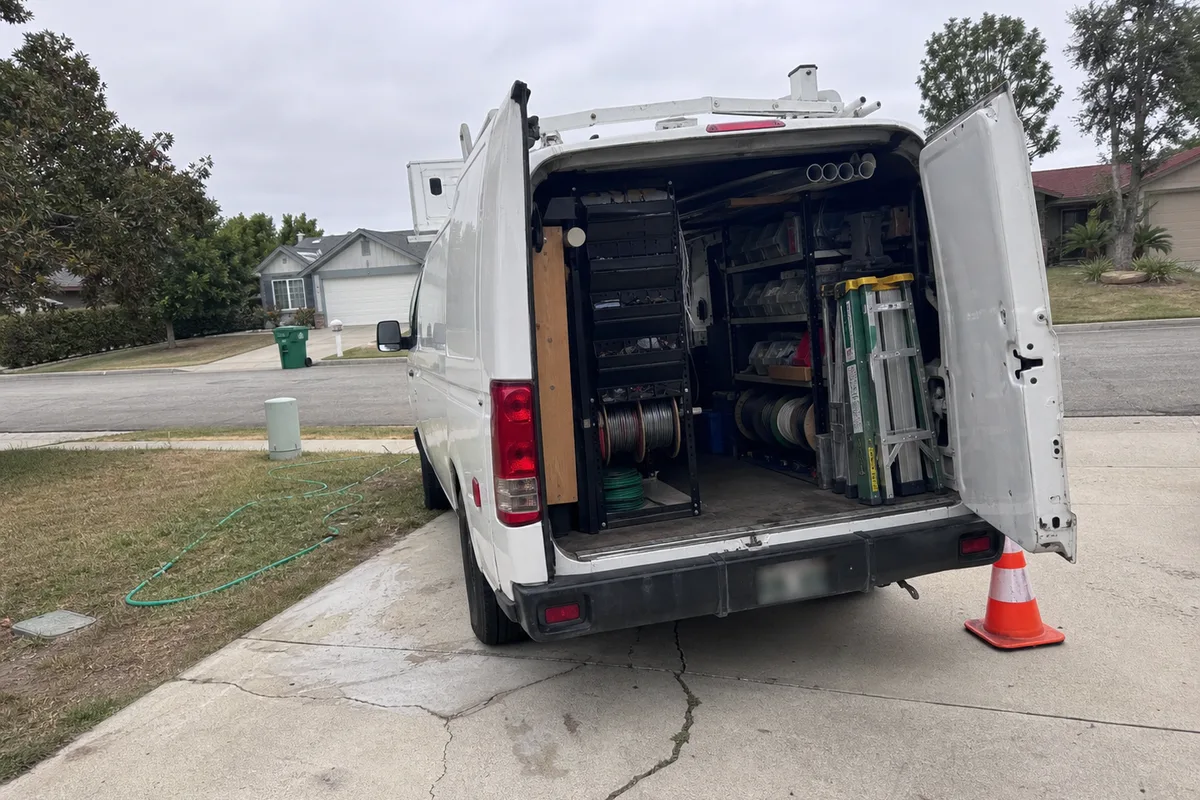
Run a one-truck electrical business and you already know the job description. You do the wiring. You do the estimates. You do the scheduling, the invoicing, and the parts run when the supply house is about to close. And somewhere in the middle of all that, you’re also supposed to answer the phone.
Something has to give, and it’s almost always the phone. Not because you don’t care about the call. Because you’re up a ladder, or under a panel, or both hands full of wire when it rings. Here are five signs that gap has gotten too wide to keep ignoring.
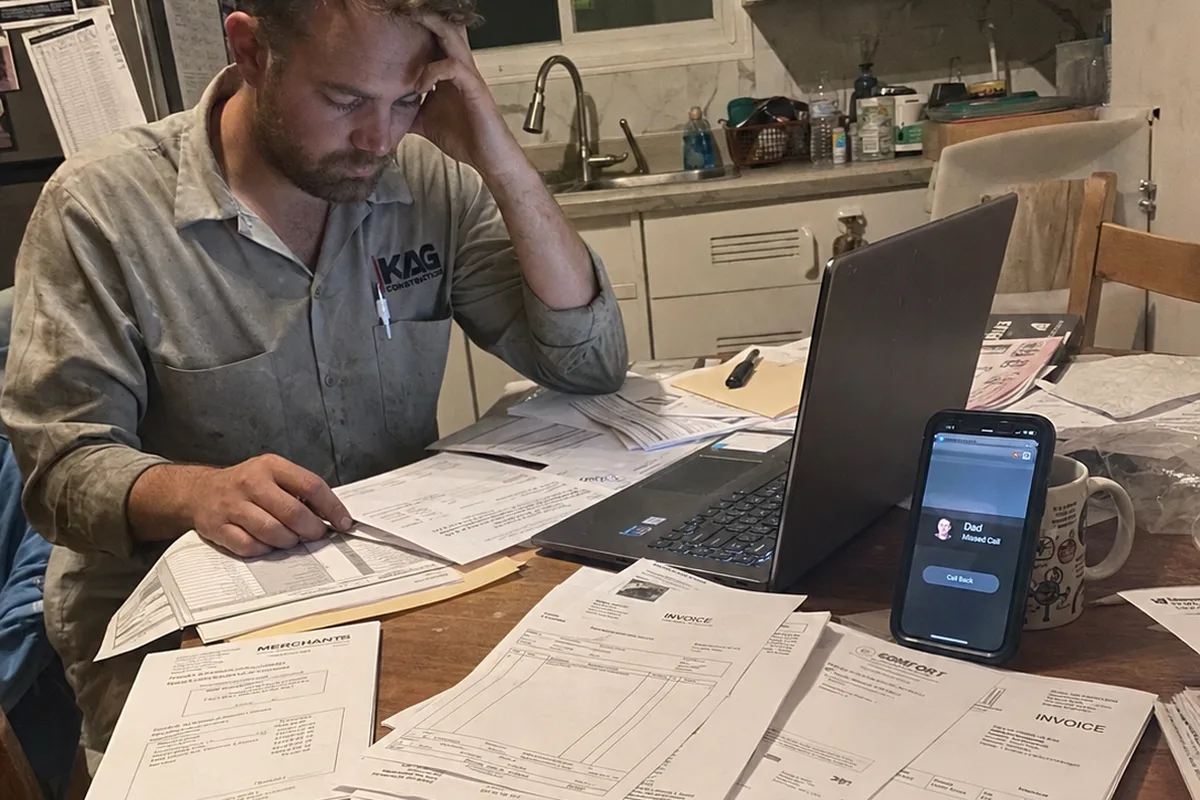
You’re returning calls at 8pm
The truck’s parked, dinner’s cold or hasn’t happened yet, and you’re finally scrolling through the missed calls from the day. This is the second shift nobody hired you for. It eats your evenings, it eats time with your family, and it means every callback happens hours after the customer actually needed an answer. By the time you dial back, plenty of them have already booked with someone who picked up the first time.
Your voicemail greeting does the answering
You’ve got a decent greeting. Professional, clear, tells people to leave a message. Doesn’t matter. Most callers with an electrical problem aren’t going to leave one. They hang up and call the next name on the list. A voicemail box isn’t a receptionist, it’s a wall, and callers treat it like one. If you want the real numbers on how much that habit costs, we broke it down here.
You’ve started recognizing the sound of a missed opportunity
You climb down off the ladder, check the phone, see a number you don’t recognize. You call back. It rings twice and goes straight to their voicemail. That specific, sinking feeling has probably become familiar to you. The job’s gone. They already found somebody else, and you never even got a chance to make your case.
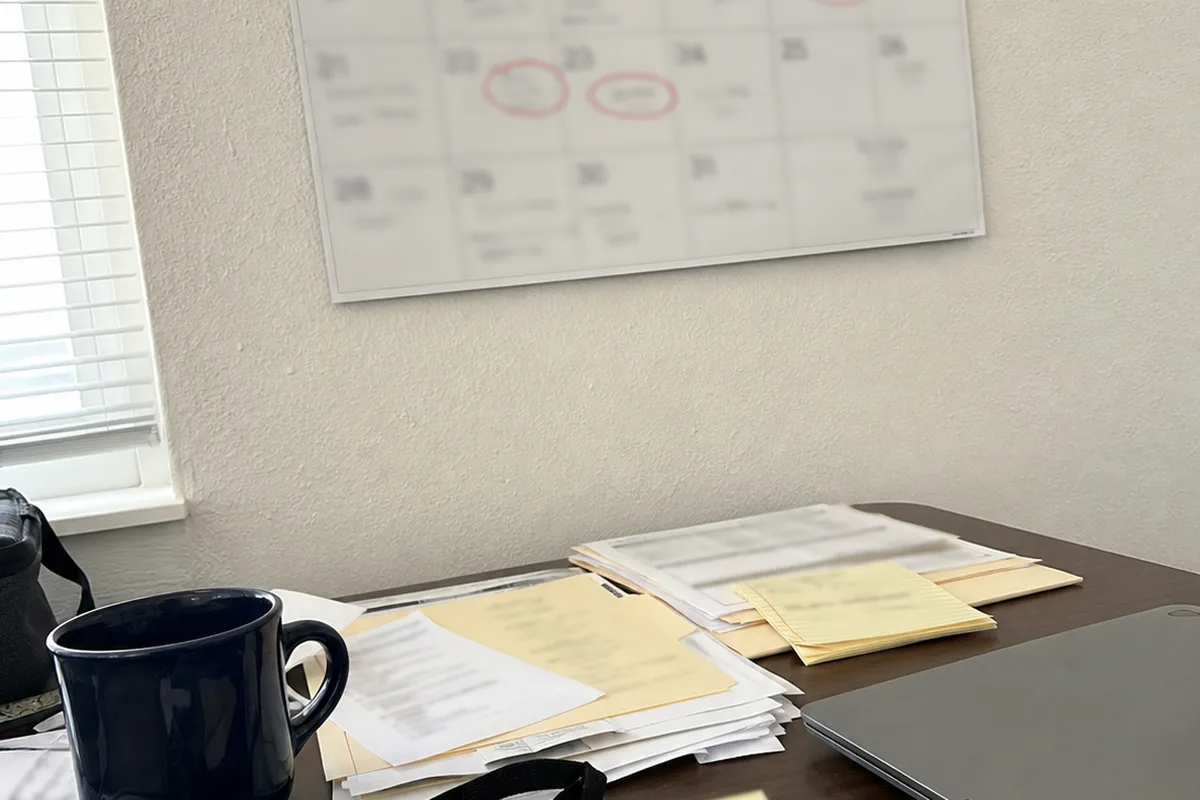
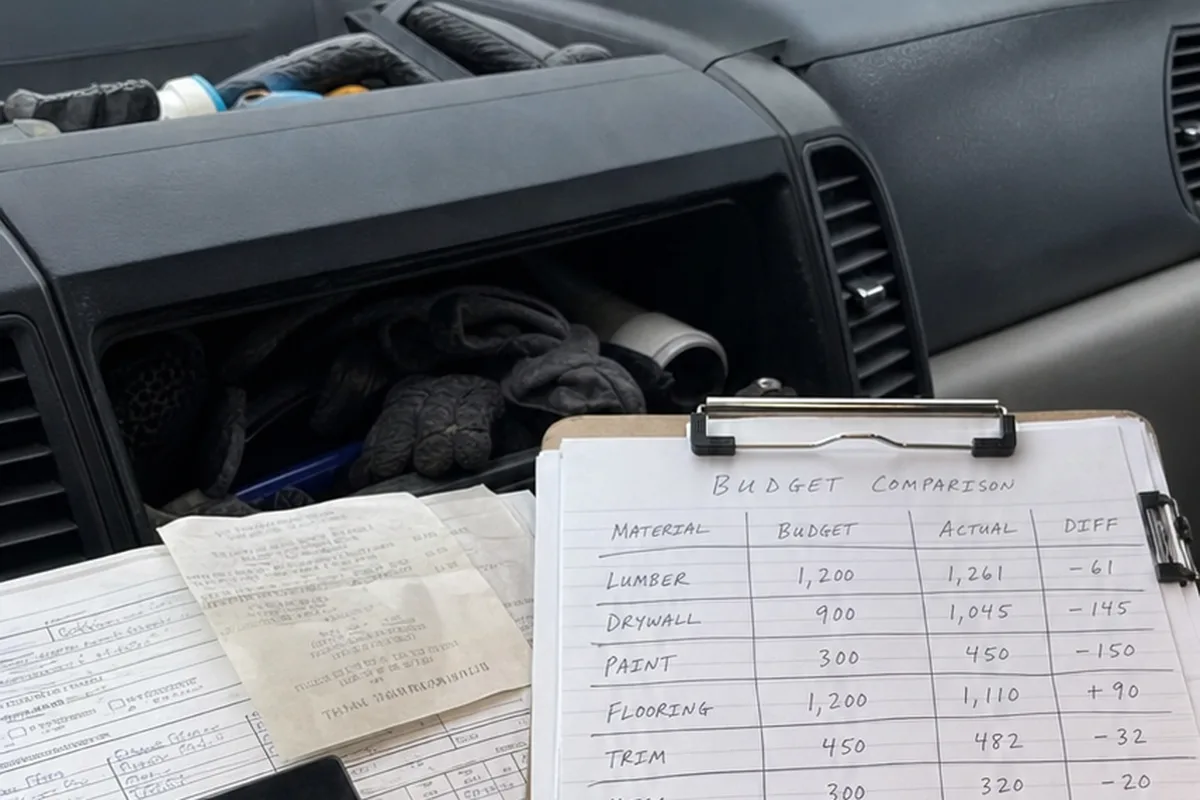
Scheduling lives in your head or on the dash of the truck
Maybe it’s a notepad wedged in the visor. Maybe it’s just memory, and memory is doing a lot of unpaid overtime. Either way, this is how you end up double-booked on a Tuesday, or forget to call someone back who was told “I’ll get you in this week.” A calendar that only exists in your head can’t be checked by anyone but you, which means it can’t be checked while you’re working.
You catch yourself quoting from a ladder
Live wiring in one hand, phone wedged against your shoulder, trying to give someone a fair estimate while your attention is actually on the breaker in front of you. Neither job gets your full focus. That’s a bad spot to be in twice over: it’s not great customer service, and it’s not exactly the safest way to work a panel.
What to do about it
The fix used to mean one thing: hire someone. That’s still a real option, and for some shops it’s the right one. A front-desk hire costs real money, though, and it only covers the hours they’re clocked in. Nights, weekends, and the day they call in sick still fall back on you. See the full breakdown against the other options here.
The other option is an answering service built for the trade, one that answers every call, day or night, and knows the difference between a routine service call and something that needs to reach you right now. Here’s what that actually costs, compared honestly against hiring and against the call-center kind of answering service.
Wirewoman answers in about two seconds, every time, for a flat monthly rate. Hear her take a call on the demo line and decide for yourself if she’d hold up on your phone.