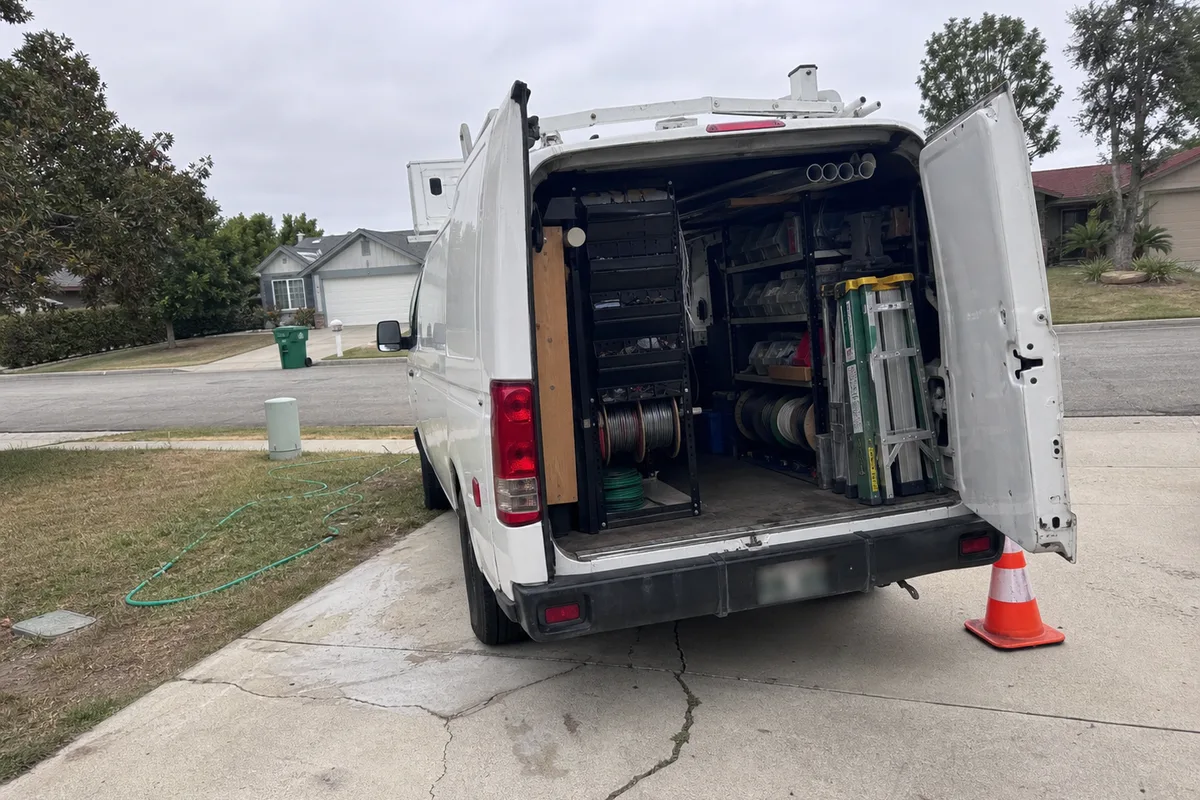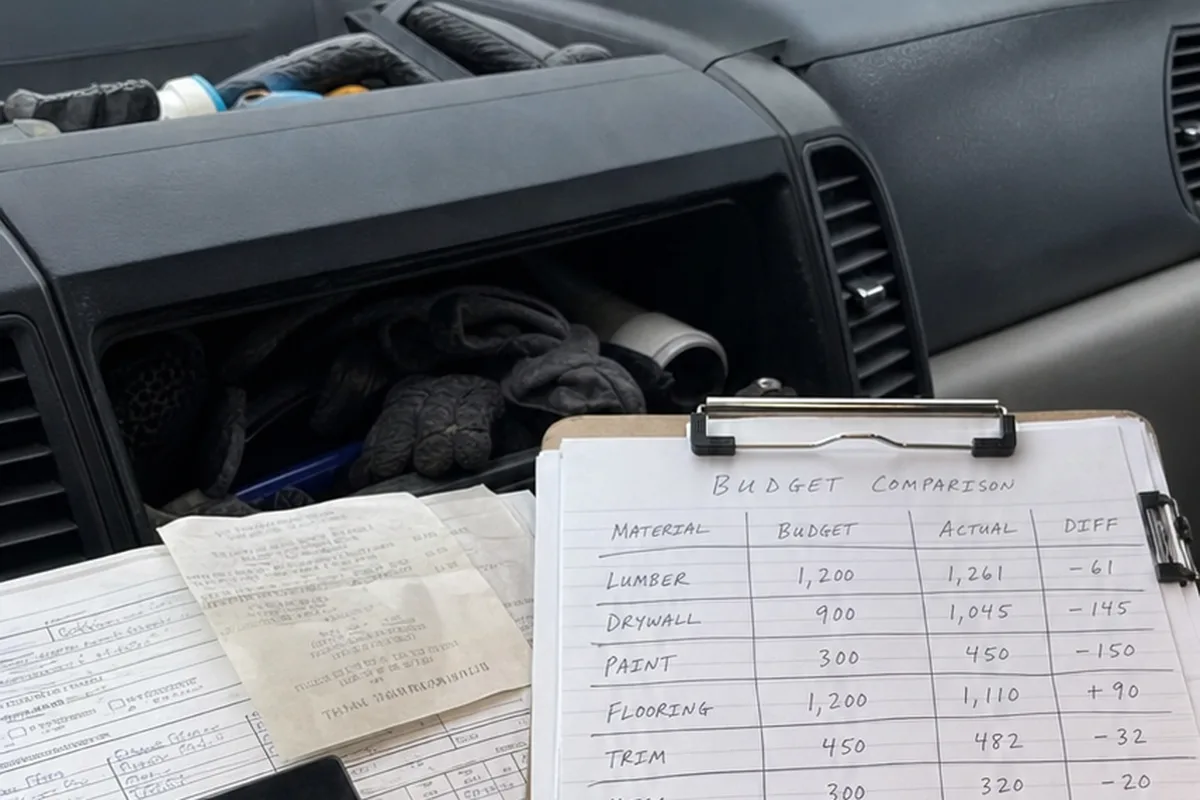
You’re in a panel, on a ladder, or driving between jobs when the phone rings. You can’t answer. The caller doesn’t leave a voicemail. They call the next electrician on the list. That job was yours, and you never even knew it existed.
This is the quiet leak in most electrical businesses. Time to put real numbers on it.
The calls you miss
Call-tracking platform Invoca found that 27% of calls to home-services businesses go unanswered (Invoca, 2024). More than a quarter of your inbound demand, gone.
And they don’t wait around. In an independent survey of small businesses, 69% of callers who hit voicemail hung up without leaving a message (Moneypenny Small Business Call Report, 300 businesses + 10,000 call records). Invoca’s own platform data is even starker: fewer than 3% of callers sent to voicemail leave one.
Then there’s when the calls come. A large share of home-services calls land outside 9-to-5: nights, weekends, the exact hours you’re finishing a job or sitting down to dinner.
Speed changes everything
Even when you do call back, timing decides the outcome. A peer-reviewed Harvard Business Review study (Oldroyd et al., 2011) found you’re up to 100× more likely to reach a lead if you respond within 5 minutes versus 30. On a same-day electrical problem, the first electrician to pick up usually wins.
The math for one van
Say you miss 5 answerable calls a week. At a conservative close rate and an average residential ticket, that’s easily four booked jobs a month walking out the door, not because your work is bad, but because nobody picked up.
We’re deliberately not quoting a single “$X per missed call” figure. Those numbers get invented and passed around unsourced. Run it on your own inputs: your ticket value × your close rate × the calls you miss. The result is almost always bigger than a receptionist costs.
What actually fixes it
Two things: answer every call, and answer it fast. That’s hard to do yourself when both hands are full, which is the whole reason an always-on receptionist exists.
Wirewoman answers in about two seconds, 24/7, books the routine jobs, and rings your cell on the real emergencies. See pricing: it’s a flat monthly rate, and one recovered job usually covers it.
Sources: Invoca (2024), Moneypenny Small Business Call Report, Harvard Business Review (Oldroyd et al., 2011).