TL;DR: Most no-shows are prevented at booking, not punished afterward. Ask who can open the property, confirm the service window by text twice, and read the current text of California Business and Professions Code 7159.10 before you write a no-show fee into your small-job terms.
The person who books the job may not be able to open the door
Book the person who can get your electrician inside. That sounds obvious. It is not.
Ask who will be on site. Ask whether that person is the owner, a tenant, or a property manager. Ask whether that person can authorize the work. Get a second phone number for someone who can answer if the first caller is unavailable.
A tenant who cannot authorize work is a common cause of a wasted trip. The tenant may be home. The property may be open. The job can still stop at the door because nobody with authority is there. Put the authorization question into your intake process, not into the arrival conversation. See who authorizes electrical work when a tenant calls for the booking issue behind this.
When Wirewoman books a job, she asks who will be at the property and whether that person can authorize the work. She also takes a callback number for that person. Those details decide whether the truck rolls to a working appointment or a locked door.
Every call is logged to the Wirewoman dashboard with the answers to those intake questions. If the visit falls through, the shop can open the call and see exactly what the customer said at booking, whether a second contact was given, and how urgent the caller described the problem.
That record matters. You are not trying to reconstruct the booking from memory after the truck returns.
A problem that fixed itself needs a different booking question
Ask what the caller sees right now.
Do not settle for “the power is out” or “the breaker keeps tripping.” Ask what happened, what changed, and whether the problem is still present. A breaker that was reset and held is different from a breaker that trips again immediately. A water-heater problem that resolved itself is different from an active electrical failure.
A caller whose problem resolved itself is the most likely no-show. The issue may have disappeared, or the caller may decide the visit is no longer necessary and forget to cancel it. Offer to keep the slot only if the caller still wants it.
That question also separates a real emergency from a problem that can wait for the next available window. Urgent calls should follow your shop’s escalation rules. They should not sit in a confirm-by-text queue when the caller needs a faster response.
Wirewoman answers 24/7, books the appointment to the shop’s calendar, and sends the job summary by SMS to the shop within 30 seconds of the call ending. That summary lets a dispatcher spot a thin booking the same night, such as no second contact or a vague description of the problem, and send a confirmation text before the appointment. Urgent calls are routed by the shop’s own escalation rules.
Late-night calls need this review. A caller who books at 11 p.m. in a panic may see the situation differently in the morning. Build that possibility into the after-hours process. Your after-hours call policy should address what happens to those bookings before the truck is assigned.
Give a service window and a clear arrival signal
Give a window, not a single time.
A window tells the customer when to be available without promising an exact arrival minute that your previous job may change. It also gives your dispatcher room to handle the work in the order your shop set.
Tell the customer how you will signal arrival. If your process is a text when the electrician is on the way, say that at booking. The customer should know what message to watch for and when to be ready.
Then confirm the window in writing right after booking. Send the date, the service window, the property address, and the arrival signal. Ask for a one-word reply to confirm or reschedule. Send the same confirmation again the morning of the appointment.
A written window gives the customer a cheap way to cancel. A cheap cancel beats a silent no-show.
Do not make the customer search through a long message to find the action you need. Ask for a clear reply. “Reply CONFIRM to keep this window or RESCHEDULE if you need a different one” gives the customer a simple choice. The exact wording is yours. The point is that the customer has a way to speak up before you send a truck.
The morning confirmation is also where you can catch a missing decision-maker. If the person who answers says the owner, property manager, or other authorized person will not be there, you have found the problem before arrival.
Your no-show policy belongs in the booking conversation
Decide the policy before the first miss.
Set how long your electrician waits on site. Decide what happens after that time. You may leave a note, send a text, and make a call according to your shop’s process. Decide which contact attempts you make and how you close the appointment in the calendar.
Decide whether you charge anything. Tell the customer the policy at booking, not at the door.
Do not improvise a fee after a truck has already driven to the property. That turns an operations problem into an argument. It also makes the customer hear the policy at the worst possible time.
California has a specific issue for service and repair contracts. Under Business and Professions Code section 7159.10, a service and repair contract applies when the contract amount is $750 or less and the prospective buyer initiated contact with the contractor to request the work. The statute says no payment is due or accepted by the contractor until the work is completed. It also includes this line:
“You may be charged only one service charge, including any trip charge or inspection fee.”
On small customer-initiated calls, do not stack a trip charge, an inspection fee, and a no-show fee on the same visit without checking the current text of the statute and with your own counsel or CSLB first. Read the current text of 7159.10 before you write a no-show fee into your small-job terms. This is not legal advice.
Do not confuse a call-out charge with a no-show charge. Your call-out and trip charge terms should be written before the appointment is booked, and they should be reviewed against the facts of the job and the current law.
A missed appointment needs a fixed response, not an angry one
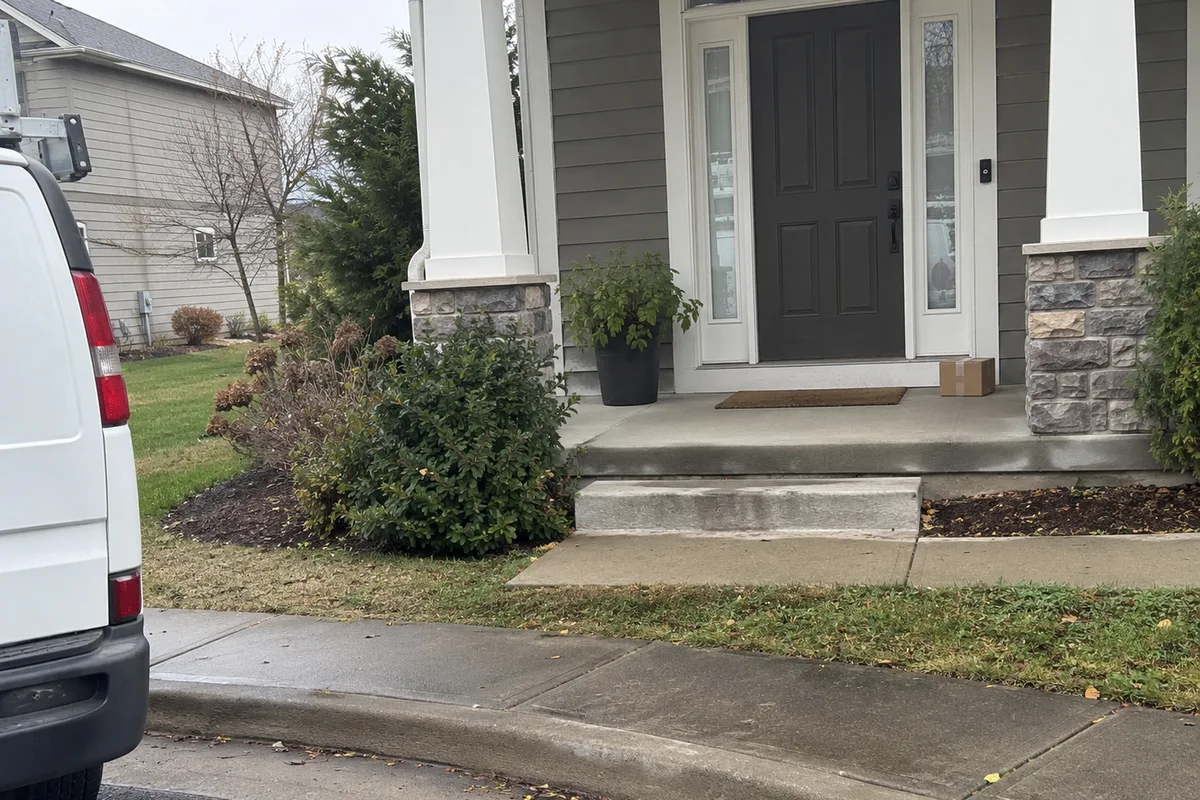
When the customer is not home, follow the process you already set.
Call once. Text once. Close the slot in the calendar. Note the missed appointment in the customer record.
That note should state what happened without editorializing. Record that the electrician arrived, that nobody provided access, and which contact attempts were made. The next person who handles the number should not have to guess whether the customer canceled, asked for a new window, or simply did not answer.
Do not keep the slot open while waiting for a reply. The truck is no longer available for that appointment. Closing the slot gives the dispatcher an accurate calendar and prevents a second booking error.
Do not bill from anger. A first miss usually is not a pattern. A repeat no-show at the same address is a pattern. Those situations can receive different booking treatment.
For the next booking from that number, add an extra confirmation step. Verify who will be on site. Verify who can authorize the work. Get the second contact again if the earlier record does not contain one. Send the written window and require the confirmation reply.
Keep no-show records separate from warranty callbacks
Not every return call means the customer missed an appointment. A customer may call back about finished work because the original problem returned or because a different problem appeared.
That needs a different record and a different dispatch question. Check whether the call concerns the completed work, a new electrical issue, or an appointment the customer missed. Do not label every post-job call as a no-show or treat every return call as a warranty matter. Use the warranty callback process when the customer is calling about finished work.
The reason for the distinction is operational. A missed appointment concerns access and attendance. A callback concerns the work already performed or a different problem. The intake questions are not the same, and the next action is not the same.
Make these intake questions part of every booking
Use the same questions every time:
- Who will be at the property?
- Is that person the owner, a tenant, or a property manager?
- Can that person authorize the work?
- What is the second phone number?
- What does the caller see right now?
- Is the problem still happening?
- What service window did you give?
- How will you signal arrival?
- Did the customer confirm the written window?
Then check the job summary after the call. Wirewoman sends it to the shop within 30 seconds of the call ending. If the summary is thin, fix it that night. Send the confirmation before the morning of the appointment, not after the electrician is already driving.
After a miss, call once, text once, close the calendar slot, and write the record. For the next booking from that number, add the extra confirm step. Put your wait process and any charge policy into the booking script before the first no-show, and read the current text of 7159.10 before adding a no-show fee to small-job terms.