Short answer: winter is the busiest and highest-risk season for electrical work. The National Fire Protection Association (NFPA) found that 30% of all home fires and 38% of home fire deaths happen in December, January, and February alone, and roughly three in ten home fires caused by electrical malfunction occur between November and February (NFPA, cited via Electrical Safety Foundation International). If your call volume follows that same curve, and it usually does, the shops that plan for it beat the ones that just react to it.
What the data actually shows
Electrical distribution and lighting equipment cause an average of 31,647 home fires a year, with 425 deaths, 1,279 injuries, and $1.6 billion in direct property loss annually (NFPA research report, 2011-2023 average). That’s the year-round baseline. Winter concentrates a disproportionate share of it.
Heating equipment is the second leading cause of home fires in the U.S., responsible for more than 65,000 home fires a year (ESFI). Portable heating pads and electric blankets alone cause an estimated 500 fires annually (ESFI). None of that is exotic; it’s ordinary equipment, used more in cold months, on circuits that weren’t always sized for it.
What’s actually driving the calls
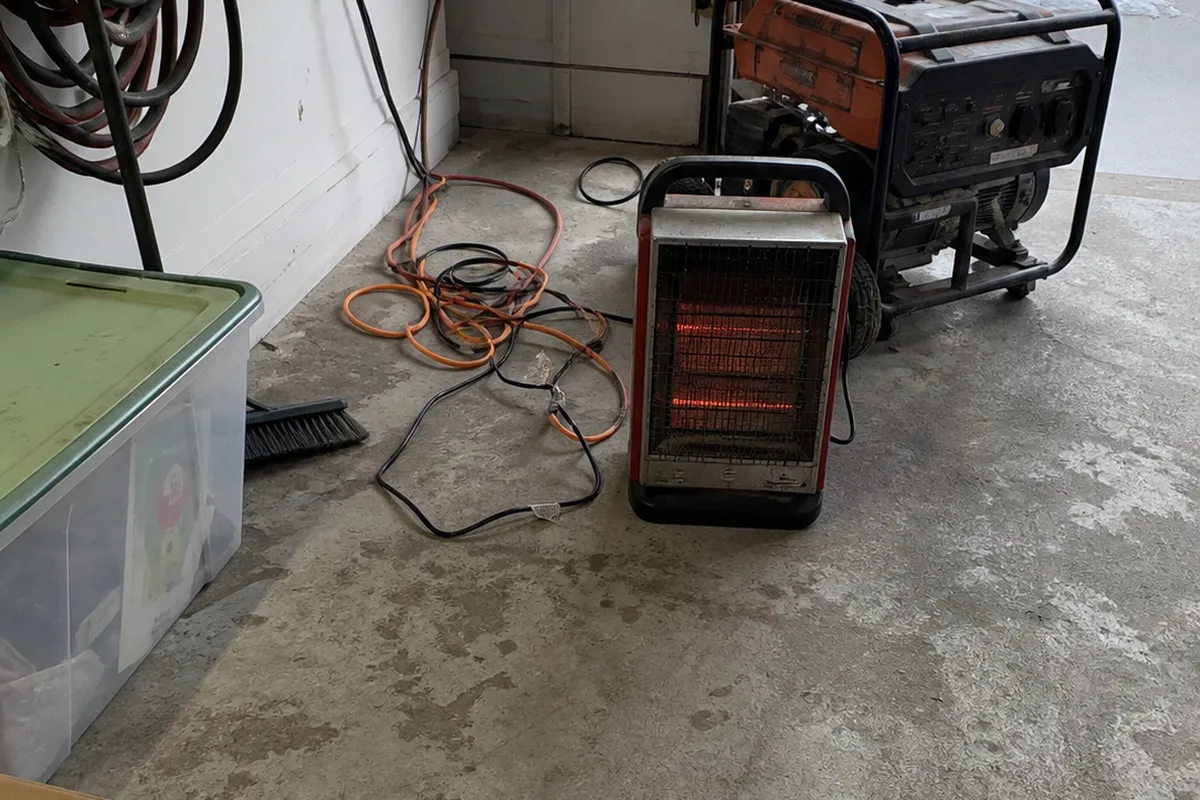
- Space heaters and electric blankets on old circuits. A single portable heater can pull 1,500 watts, close to the limit of a standard 15-amp circuit, especially when it’s sharing that circuit with lighting or other devices.
- Holiday lighting and extension cords. Outdoor lighting run through cords rated for light indoor use, left plugged in for weeks, in wet weather, is one of the most common seasonal callback patterns.
- Overloaded circuits generally. December sees a spike in electrical product use at the exact time of year electrical systems are under the most strain from cold and moisture.
- Portable generators. ESFI data shows half of portable-generator carbon monoxide deaths happen in the winter months (November through February), tied directly to storm outages and improper indoor or garage use.
The California-specific driver: storms and outages
Winter storms have knocked out power to hundreds of thousands of PG&E customers in a single event in recent years. Every one of those outages produces the same aftermath: generator installs and inspections, surge damage from power coming back online unevenly, and panel checks from customers who want backup power before the next storm instead of during it. That demand is predictable by season even if the exact storm dates aren’t.
What this means for your shop
- Staff and schedule for the curve, not the year-round average. If winter reliably brings more calls, thinner crew coverage in December and January is the most expensive place to be short-handed.
- Stock ahead of the season, not during it. GFCI breakers, surge protection, and generator transfer-switch hardware are the parts most likely to be back-ordered right when demand peaks, if you wait until the first cold snap to reorder.
- Lead with the safety conversation, not just the sale. A customer calling about a tripped breaker during a cold snap is often dealing with exactly the overloaded-circuit pattern above. Naming that clearly, “that’s a common one this time of year, here’s why”, builds more trust than a generic quote.
- Generator and panel-inspection calls cluster right after a storm. If your intake process can’t tell a routine call from someone who just lost power for two days, you’re leaving the most time-sensitive jobs of the season in a queue with everything else.
Winter isn’t a surprise. The data says it never has been. The shops that treat it like a predictable season, staffed and stocked ahead of it, get more of the calls it produces than the ones scrambling to catch up in week two of the cold snap.
Sources: NFPA, Home Electrical Fires research report; ESFI, Winter Safety; ESFI, Holiday Data and Statistics.